

Downsizing, decluttering, and minimalism work together to transform an overwhelming move into a smaller space into a liberating fresh start. The process takes about 4-8 weeks and follows a simple principle: decide what deserves space in your new life, then let everything else go. By combining practical sorting methods with a minimalist mindset, you’ll reduce your possessions by 30-50% while keeping only what truly adds value to your daily routine.
The approach works because it tackles three challenges at once. Downsizing forces you to work within your new square footage limits. Decluttering removes the excess you’ve accumulated over years. Minimalism gives you a framework for making tough decisions about borderline items. Together, they create a system that’s more effective than random purging.
Most people find the hardest part isn’t the physical work of sorting and packing. It’s making peace with letting go of items tied to memories, guilt, or “what if” scenarios. The good news? Following a structured method removes much of the emotional burden. When you know exactly what to evaluate and how to handle each category of belongings, the decisions become surprisingly straightforward.
Whether you’re moving from a family home to a condo or simply want to live lighter, this guide walks you through each step with practical tools and realistic timelines that respect both your schedule and your budget.
What You’ll Need to Get Started

Before you start downsizing and decluttering, gather the right supplies. Having everything on hand keeps the process moving and prevents frustration mid-sort. You don’t need much, but the right tools make minimalism practical rather than overwhelming.
Here’s what you’ll need:
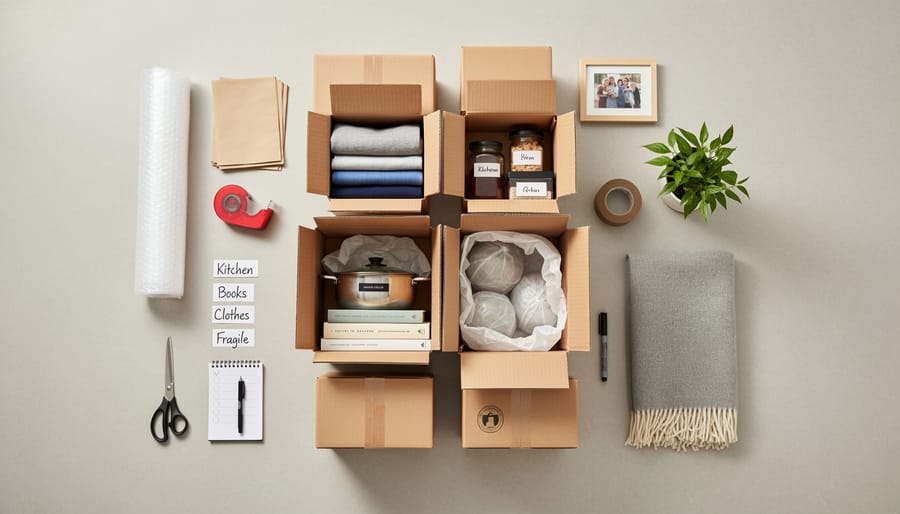
- Sturdy boxes in various sizes, including eco-friendly recycled cardboard options
- Permanent markers and color-coded labels for clear identification
- Measuring tape to confirm furniture and belongings fit your new space
- Large donation bags or bins for items leaving your home
- Inventory notebook or smartphone app to track what you’re keeping
- Calendar or timeline planner to schedule tasks and deadlines
- Packing tape, bubble wrap, and other sustainable cushioning materials
Professional moving companies like Ottawa’s Smart Move often provide sustainable packing materials as part of their service, saving you trips to the store while supporting eco-friendly practices. Recycled boxes hold up just as well as new ones and reduce environmental impact.
A measuring tape is your reality check. Measure doorways, closets, and rooms in your new home before deciding what to keep. That beloved sectional might simply not fit, and knowing dimensions early prevents last-minute panic.
The inventory tool, whether paper or digital, becomes your downsizing roadmap. List what you’re keeping, note where it’ll go in the new space, and track donation receipts for tax purposes. This record also helps professional movers understand your needs and provide accurate quotes.
Before You Begin: Important Considerations
Before you start sorting through your belongings, take a moment to protect yourself from common downsizing pitfalls. Physical injury tops the list: lift heavy boxes and furniture properly by bending at the knees, not your back, and don’t hesitate to ask for help with bulky items like filing cabinets or large appliances. If you’re over 50 or dealing with years of accumulated possessions, pace yourself across multiple days rather than rushing through everything in one exhausting weekend.
Hazardous materials require special attention during downsizing. Never toss paint, batteries, electronics, or cleaning chemicals in regular trash. Ottawa offers designated drop-off sites for these items, and mixing them with household waste creates environmental and safety risks. Check with your municipality before disposing of anything questionable.
The other extreme presents its own danger: over-purging. Don’t discard seasonal items you’ll genuinely need, essential kitchen tools you use regularly, or professional equipment that supports your work. The one-year rule has limits, you might not have used your winter coat in twelve months if you’re downsizing in summer, but you’ll regret donating it come December. Keep a “maybe” box for items you’re unsure about, revisit it after a week, and trust your second assessment. The goal is rightsizing your life, not creating new problems through excessive elimination.
The Step-by-Step Downsizing and Decluttering Process
Step 1: Assess Your New Space and Set Clear Goals
Start by obtaining accurate floor plans or measurements of your new home before making any decluttering decisions. Walk through each room with a tape measure and record dimensions, noting closet space, storage areas, and room layouts. Calculate the total square footage available and compare it to your current home to understand the reduction you’re facing.
Next, create a realistic furniture layout on graph paper or using a free app like RoomPlanner. Measure your existing furniture and see what actually fits without overcrowding the space. This visual exercise immediately reveals which large items must go.
Set specific minimalist goals tied to your new space constraints. For example, if you’re moving from a four-bedroom house to a two-bedroom condo, commit to reducing belongings by half. Define your must-keep categories based on your lifestyle: work essentials, daily-use items, and a limited number of sentimental pieces.
Assign each room in your new home a purpose and maximum item count. A smaller bedroom might hold only a bed, dresser, and nightstand. This clarity prevents bringing items you have nowhere to store and guides every downsizing decision throughout the process.
Step 2: Sort Room by Room Using the Four-Box Method
The four-box method transforms downsizing from an overwhelming task into a manageable process. Label four containers “Keep,” “Donate,” “Sell,” and “Trash,” then work through one room at a time with these boxes as your sorting stations.
Start with low-emotion spaces to build decision-making momentum before tackling sentimental areas:
- Guest room or spare bedroom (rarely-used items are easier to evaluate)
- Garage, basement, or storage areas (often filled with forgotten duplicates)
- Kitchen (functional decisions based on actual cooking habits)
- Bathrooms (expired products and duplicates are clear candidates)
- Living and dining rooms (mix of functional and decorative items)
- Bedrooms and personal spaces (save high-emotion areas for last)
As you sort, apply clear criteria for each box. Keep items go in your new space layout and serve a genuine purpose you can name right now. Donate items are in good condition but no longer fit your lifestyle. Sell items have resale value worth your time to list and ship. Trash items are broken, expired, or unsalvageable.
Handle each item once and make an immediate decision. Pick it up, evaluate it against your criteria, and place it in a box. Putting items down “to decide later” creates clutter piles that restart the whole process. Set a timer for 30-minute focused sessions in each room to maintain energy and prevent decision fatigue from slowing your progress.
Step 3: Apply Minimalist Decision-Making Rules
Once you’ve sorted items into boxes, apply these minimalist decision-making rules to finalize what stays and what goes.
Start with the one-year rule: if you haven’t used an item in the past twelve months, you likely won’t need it in your downsized space. This applies to kitchen gadgets, clothing, hobby supplies, and decorative items. Be honest, aspirational items you plan to use “someday” rarely justify the space they occupy.
Next, eliminate duplicates ruthlessly. You don’t need three spatulas, five winter coats, or duplicate sets of tools. Keep the best-quality version of each item and remove the rest. This decluttering golden rules approach creates breathing room without sacrificing function.
For sentimental items, set clear limits. Choose one memory box or shelf and commit to keeping only what fits. Photograph items with emotional value before donating them, you preserve the memory without the physical clutter.
Finally, adopt function-first thinking. Every item you keep should serve your new lifestyle in your smaller home. Ask: “Will I actually use this in the next six months?” and “Does this fit the person I am now, not who I was five years ago?” If the answer is no, it belongs in the donate or sell box.
Step 4: Responsibly Remove Unwanted Items
Once you’ve sorted your belongings, the next step is removing unwanted items responsibly. Ottawa offers numerous eco-friendly options that align with sustainable downsizing and decluttering practices.
Start with donation centers. The Salvation Army, Goodwill, and Habitat for Humanity ReStore accept furniture, household goods, and clothing in good condition. Many provide free pickup for larger items, making downsizing easier. St. Vincent de Paul and local community centers also welcome donations that benefit Ottawa families.
For items with resale value, consider consignment shops or online marketplaces like Facebook Marketplace and Kijiji. Vintage furniture, quality clothing, and electronics can generate extra cash to offset moving costs. Consignment shops handle the selling process, saving you time during your downsizing timeline.
Recycling programs keep materials out of landfills. The City of Ottawa’s Trail Road Waste Facility accepts electronics, scrap metal, and construction materials. Retailers like Best Buy and Staples offer electronics recycling. Many Ottawa moving companies, including eco-conscious providers, can coordinate bulk recycling pickup.
Never discard hazardous materials like paint, batteries, chemicals, or propane tanks in regular garbage. Ottawa’s Household Hazardous Waste Depot at Trail Road accepts these items year-round at no charge. Proper disposal protects the environment and keeps your decluttering process safe and responsible.
Step 5: Organize and Pack What Remains
After sorting your keepers, group items by room or function to streamline unpacking. Pack dishes together, bedroom linens separately, and office supplies in their own boxes. This categorical approach prevents you from scattering related items across multiple containers, which saves time when you’re settling into your smaller space.
Choose eco-friendly packing materials whenever possible. Recycled cardboard boxes, biodegradable packing peanuts, and reusable bins reduce environmental impact while protecting your belongings. Professional moving companies often provide sustainable packing supplies and can advise on the right materials for fragile items.
Label every box clearly with its contents and destination room. Write “Kitchen, Everyday Dishes” rather than just “Kitchen” so you know which boxes to unpack first. Number each box and maintain a simple inventory list (a notebook or spreadsheet works well) that tracks what’s inside. This system proves invaluable if you need to locate something specific before fully unpacking.
Pack strategically by weight and fragility. Heavier items go in smaller boxes to prevent strain, while lighter belongings can fill larger containers. Wrap breakables in paper or cloth, and fill empty spaces with soft items like towels to prevent shifting during transport.
Professional packing services handle the entire process efficiently, using proven techniques that minimize breakage and maximize space. Movers experienced with downsized relocations understand how to pack thoughtfully for compact living, ensuring your curated possessions arrive safely and ready to fit your new minimalist lifestyle.
How to Know You’re Done and What Comes Next

You’ll know your downsizing effort is complete when you can mentally walk through your new space and every item has a designated spot. If you’ve eliminated duplicate serving bowls, kept only clothes that fit your current lifestyle, and feel lighter rather than anxious about the move, you’ve succeeded. Your final boxes should contain only things you actively use or genuinely love, not items you’re keeping out of guilt or “just in case” scenarios that rarely materialize.
Run through this quick verification checklist before calling it done. Can you visualize where each category of items will go in your new home? Have you photographed or documented sentimental items you’re releasing? Does the total volume of your possessions match or fall below your new space capacity? If you answered yes to these questions, it’s time to shift focus to the logistics of your move.
Contact professional movers to schedule your moving date, ideally booking two to three weeks in advance for optimal availability. Coordinate pickup times with donation centers for larger items like furniture, and arrange proper disposal for anything that can’t be donated. Create a moving day essentials box with items you’ll need immediately in your new space.
Ottawa’s Smart Move specializes in downsized relocations, understanding that smaller moves require just as much care and attention as large ones. Our team handles your curated belongings with the same respect you showed during the decluttering process, and we offer eco-friendly packing materials that align with the sustainable mindset behind minimalism. We’ll work with your timeline, whether you need help with final packing decisions or simply want experienced professionals to transport your thoughtfully selected items to their new home.
Common Questions About Downsizing and Minimalism
How long does downsizing and decluttering take?
Most people need two to six weeks to downsize a full household, depending on home size and accumulation. Working one room at a time for 2-3 hours daily makes the process manageable without burnout.
What if I regret getting rid of something?
Keep a “maybe” box in storage for 30 days before final disposal. However, studies show people rarely miss purged items after three months, especially when downsizing forces thoughtful decisions about what truly matters.
How do I handle family heirlooms when embracing minimalism?
Photograph sentimental items for digital archives, keep one or two meaningful pieces, and offer others to relatives who’ll use them. Minimalism isn’t about erasing memories, it’s about honoring them without letting objects control your space.
Can professional movers help with decluttering?
Experienced moving companies offer consultation on what fits your new space and provide donation coordination services. They can’t make personal decisions about your belongings, but they’ll handle removal and eco-friendly disposal of items you’ve decided to part with.
The difference between downsizing and minimalism often confuses people. Downsizing is the practical act of moving to a smaller space and reducing possessions to fit, usually driven by circumstances like retirement or cost savings. Minimalism is a lifestyle philosophy focused on intentionally owning less to gain clarity and freedom. When combined, these approaches create a powerful framework: downsizing provides the deadline and motivation, while minimalist principles guide which items deserve space in your new home.
Many clients ask about cost savings. Downsizing typically reduces moving expenses by 30-50% compared to moving everything. You’ll need fewer boxes, less truck space, and reduced labor hours. Beyond the move itself, a smaller home with fewer possessions means lower utility bills, less maintenance, and reduced spending on storage or unnecessary purchases. The financial benefits compound over time, making the initial effort of decluttering worthwhile for your budget and peace of mind.
Downsizing through thoughtful decluttering and minimalism transforms what could be an overwhelming move into an opportunity for genuine renewal. You’ve cleared out the excess, reduced your costs, and lightened your environmental footprint, all while gaining clarity about what truly matters in your life. These methods don’t just make moving easier; they set you up for a simpler, more intentional lifestyle in your new space.
Ottawa’s Smart Move understands that downsizing isn’t just about fitting into fewer square feet. Our team provides the professional support and eco-friendly moving solutions that complement your decluttering efforts, handling your carefully curated belongings with the same care you took in choosing them. We’re here to make your fresh start as smooth and stress-free as possible, because every successful downsize deserves a move that matches.