A long-distance moving quote in Canada breaks down exactly what you’ll pay to transport your belongings across provinces, typically ranging from $2,500 for a studio apartment to $16,000 or more for larger homes. Unlike local moves charged by the hour, long-distance quotes are calculated using the weight of your shipment and the distance traveled, along with factors like packing services, access conditions, and delivery timing.
Getting an accurate quote requires you to provide specific details: your pickup and delivery postal codes, moving date (and any flexibility you have), a complete inventory of what you’re moving, and information about access at both locations. The most reliable quotes will clearly itemize transportation costs, basic loading and unloading labor, and any additional services like packing supplies or storage.
Understanding what drives these costs helps you compare quotes effectively and spot potential red flags. Reputable movers will walk you through how they measure your shipment (by weight or volume), explain their pricing structure in writing, and answer questions about insurance and delivery windows. At Ottawa’s Smart Move, we believe transparency builds trust, which is why we break down every component of your quote and ensure you know exactly what you’re paying for before moving day arrives. This guide will help you evaluate any quote you receive and make an informed decision for your cross-country move.
How Long Distance Moving Quotes Actually Work
The pricing structure for long distance moves operates on a completely different model than local moves, and understanding this difference is crucial for accurate budgeting. When you hire movers for a local move within the same city, you typically pay an hourly rate that covers the crew and truck. Long distance moving quotes work differently: they’re calculated primarily based on the weight of your shipment and the distance traveled between your origin and destination.
This weight-and-distance model exists because long distance moves involve fundamentally different logistics. Your belongings travel hundreds or thousands of kilometers, often sharing truck space with other shipments, making hourly billing impractical. Moving companies need to account for fuel costs, highway tolls, driver time across multiple days, and the coordination required to transport goods across provincial or territorial borders.
To determine your quote, movers assess your shipment using one of several measurement methods. The most common approach calculates the total weight of your household goods, typically measured in pounds or kilograms. Some companies use volume-based estimates instead, measuring the cubic feet or meters your belongings will occupy in the truck. The distance portion is straightforward: it’s calculated from your pickup postal code to your delivery postal code, following standard routing.
Beyond these core factors, your quote may also reflect variables like access conditions at both locations (stairs, elevators, long carries), whether you need packing services, any storage requirements, and your delivery timing flexibility. Understanding how these elements combine to create your final price helps you compare quotes accurately and avoid surprises when your moving day arrives.
What Every Complete Long Distance Moving Quote Must Include
A legitimate long distance moving quote should be detailed enough that you understand exactly what you’re paying for. If your estimate fits on a napkin, that’s a warning sign.
Start with the core transportation cost. This should clearly state whether pricing is based on weight, volume, or a combination. You need to see the estimated weight range in pounds or the cubic feet your belongings will occupy, along with the distance in kilometers between your pickup and delivery locations. These numbers directly determine your base cost.
Labor charges come next. While long distance moves aren’t typically hourly, your quote should specify what labor is included. Loading at origin, unloading at destination, and basic furniture disassembly and reassembly are standard inclusions. If certain items require special handling or crating, those costs should appear as separate line items.
Packing supplies and services need their own section. A complete quote lists whether boxes, tape, bubble wrap, and padding are included or available for purchase. If you’re requesting professional packing help, you should see specific pricing for full packing, partial packing, or room-by-room packing services. Don’t assume packing materials are free unless they’re explicitly listed.
Your quote must include basic cargo insurance coverage. Federal regulations require movers to offer liability protection, typically at no charge for basic coverage (around sixty cents per pound per item). Full replacement value insurance costs extra and should be clearly priced if you choose it.
Look for fuel surcharges, which are standard practice and should be stated as either a percentage of the base cost or a flat fee. Reputable movers also list any applicable taxes separately rather than burying them in the total.
Finally, the quote should outline payment terms: what’s due when, which payment methods are accepted, and refund or cancellation policies. A professional moving company puts all of this in writing before you commit.
The Information You’ll Need to Provide for an Accurate Quote

Getting an accurate long distance moving quote depends entirely on the information you provide. The more details you share upfront, the closer your estimate will be to your final cost.
Start with your complete pickup and delivery addresses, including postal codes. Movers use this information to calculate distance and plan the most efficient route. If you’re moving to a rural area or somewhere with limited access, mention this early. These details directly affect transportation costs and logistics.
Your moving date matters more than you might think. Companies price moves differently based on season, day of the week, and demand. If you have flexibility around your dates, say so. Moving mid-week or mid-month often costs less than weekend or month-end moves. Some movers can offer better rates if you can work within a delivery window rather than requiring a specific date.
The most critical component is your inventory. List everything you’re taking, from furniture pieces to boxes you plan to pack yourself. Professional movers need to estimate the weight and volume of your shipment to provide accurate pricing. Don’t guess at quantities or leave out items you’re unsure about. If you’re downsizing before move complete that process before requesting quotes rather than overestimating what you’ll actually transport.
Access considerations often get overlooked but significantly impact costs. Does your current home or destination have stairs, narrow hallways, or parking restrictions? Will movers need a long carry from the truck to your door? Is there an elevator, and if so, do you need to reserve it? These factors affect labor requirements and sometimes equipment needs.
Be honest about specialty items requiring extra care: pianos, artwork, antiques, or fragile electronics. Mention if you need packing services or plan to handle it yourself. The more accurate your information, the fewer surprises you’ll face on moving day.
Understanding Price Ranges and What Influences Your Final Cost
Understanding the moving across Canada cost starts with recognizing that long-distance relocations operate on a completely different pricing structure than local moves. Instead of paying by the hour, you’re looking at costs based primarily on the total weight of your shipment and the distance it needs to travel. This fundamental shift means your final bill depends heavily on how much stuff you’re moving and where it’s going.
Most long-distance moves within Canada fall between $2,500 and $16,000, though your specific cost will land somewhere in that range based on several key factors. A studio apartment move typically starts around $2,500, while larger homes with more belongings push toward the higher end of the spectrum. These aren’t arbitrary numbers: they reflect the actual fuel costs, labor hours, truck capacity, and logistics involved in transporting your household across provinces.
| Home Size | Typical Cost Range | Key Price Factors |
|---|---|---|
| Studio/1 Bedroom | $2,500 – $4,500 | Lighter weight, minimal labor |
| 2 Bedroom | $4,500 – $8,000 | Moderate weight, standard furniture |
| 3 Bedroom | $8,000 – $12,000 | Higher weight, more packing required |
| 4+ Bedroom | $12,000 – $16,000+ | Maximum weight, complex logistics |
The total weight of your shipment matters more than anything else in the calculation. Every piece of furniture, every box of books, and every appliance adds pounds that affect your quote. Distance plays the second-biggest role: moving from Ottawa to Montreal costs substantially less than relocating from Ottawa to Vancouver, even with identical inventory.
Beyond these core factors, several additional services can increase your final cost. Full-service packing, where movers handle wrapping and boxing everything, adds convenience but also labor hours and material costs. Specialty items like pianos, antiques, or artwork often require custom crating and extra handling. Access challenges matter too: if movers need to navigate tight staircases, long elevator waits, or significant walking distances from the truck to your door, expect the quote to reflect that added complexity. Storage before or after your move, insurance coverage beyond basic liability, and expedited delivery timelines all shift the price upward from the base transportation and labor costs.
Red Flags to Watch For in Moving Quotes
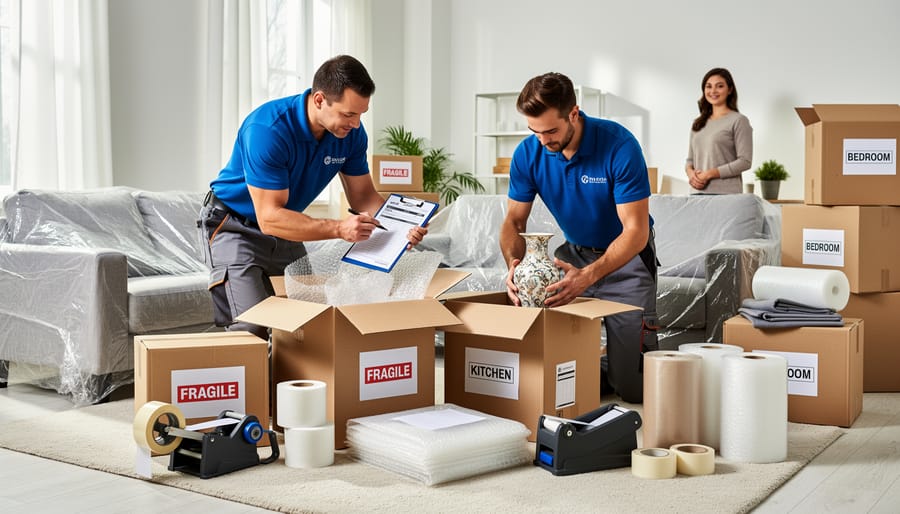
Protecting yourself from unreliable movers starts with recognizing the warning signs in their quotes. Legitimate moving companies provide detailed estimates based on thorough assessments, while questionable ones often cut corners in ways that become expensive problems later.
Be immediately suspicious of any quote provided without an in-home or virtual assessment. Accurate long distance moving costs depend on the actual weight and volume of your belongings, the specific access conditions at both locations, and the exact distance. A company offering a firm price over the phone without seeing what they’re moving can’t possibly give you an accurate estimate.
Unusually low quotes deserve scrutiny. If one estimate comes in significantly below others (say, $4,000 when others quote $7,000 for the same move), that company likely plans to add charges later or provides substandard service. Some disreputable movers deliberately lowball estimates to win your business, then hold your belongings hostage for additional payment at delivery.
Large upfront deposits are another red flag. Legitimate Canadian moving companies typically don’t require more than a small booking deposit, if any. A mover demanding 50% or more upfront may be operating without proper licensing or insurance, and you risk losing that money entirely.
Vague pricing structures should concern you. Professional quotes break down costs clearly: transportation based on weight and distance, labor charges, packing materials, and any additional services. If the estimate lumps everything into one number without explanation, you can’t verify what you’re actually paying for.
Missing insurance information is unacceptable. Every legitimate long distance mover should clearly state their liability coverage and offer additional insurance options. Choosing the right mover means verifying they carry proper insurance and can provide their DOT number or provincial registration upon request.
How Ottawa’s Smart Move Approaches Long Distance Quotes
At Ottawa’s Smart Move, we believe you shouldn’t have to decode your moving quote like a puzzle. Our approach starts with understanding your specific move before we talk numbers.
When you reach out for a long distance quote, we review five key factors: the complete route from your current location to your destination, a detailed inventory of what you’re moving, access conditions at both properties (stairs, elevators, parking restrictions), the services you need beyond basic transportation, and your timeline including any flexibility you have with dates. This thorough assessment lets us provide accurate pricing rather than lowball estimates that balloon later.
We confirm everything in writing with a clear breakdown of costs. You’ll see exactly what you’re paying for transportation, labor, any packing services you’ve requested, and optional additions like storage. No hidden fees or surprise charges when the truck arrives.
What sets our quotes apart is our commitment to sustainable moving practices. We use reusable packing materials wherever possible and optimize routes to reduce fuel consumption, which benefits both the environment and your budget. Our trucks run more efficiently, and we pass those savings along rather than padding our quotes with unnecessary charges.
We’re also straightforward about timing. If your move falls during peak season or requires special handling, we explain how that affects pricing upfront. Our goal is a quote you can trust from a company that values transparency as much as you do.
Understanding what should be included in your long distance moving quote puts you in control of the process. When you know what questions to ask and what details to expect, you can compare options confidently and avoid companies that rely on vague estimates or hidden fees. Request a detailed written quote that breaks down all costs clearly, and don’t hesitate to ask for clarification on anything that seems unclear. A reputable moving company will welcome your questions and provide transparent answers because they want you to feel confident in your choice. If you’re planning a long distance move and want a comprehensive quote that reflects your specific needs, reach out to Ottawa’s Smart Move for a personalized estimate that covers everything you need to know.