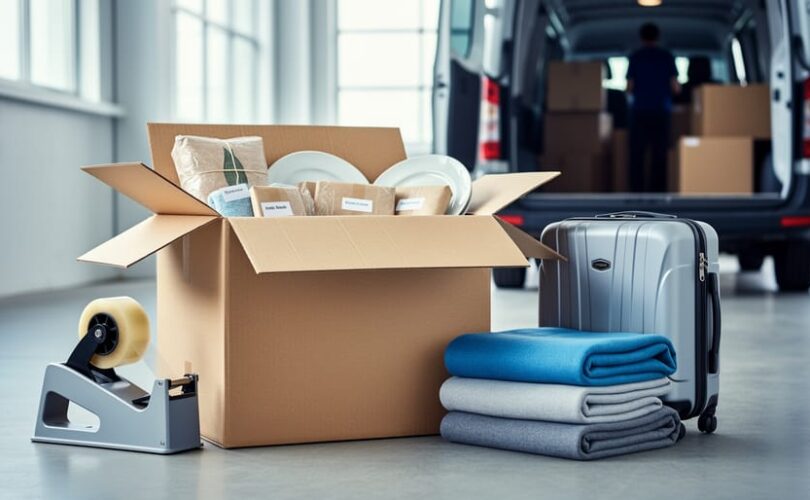
Planning a long-distance move requires a clear strategy to manage costs, reduce stress, and ensure nothing gets overlooked. The most effective approach combines three core elements: a comprehensive sorting system to downsize effectively before you pack, a detailed budget that accounts for mileage-based pricing (since moves beyond 100 kilometres trigger distance charges), and multiple quotes from professional movers to compare pricing structures. Long-distance relocations differ significantly from local moves because they’re rarely subject to flat rates, and understanding these cost variables upfront helps you prepare financially.
The key to a successful cross-province or long-haul move lies in proactive planning. Start by sorting belongings into keep, donate, sell, and discard categories to minimize what you’re transporting. Then build a clear expense checklist that tracks every anticipated cost, from packing materials to tipping (calculated on on-site labour at each location, not total transport costs). Obtaining several estimates gives you leverage and insight into fair pricing, while choosing eco-friendly packing materials aligns your move with sustainable practices that benefit both your household and the environment.
These 12 practical tips will walk you through each phase of your long-distance move, from the initial sorting session to day-of logistics. You’ll learn how to budget accurately, communicate effectively with your moving team, and protect your belongings throughout the journey, all while keeping expenses transparent and manageable.
How We Selected These Long Distance Moving Tips
We selected these twelve tips by combining over a decade of professional moving experience with direct feedback from hundreds of Ottawa-area customers who’ve completed long-distance relocations. Each recommendation meets four essential criteria: proven cost-effectiveness, measurable stress reduction, environmental responsibility, and consistent success across varied moving scenarios.
Our selection prioritizes practical advice that addresses the most common challenges in long-distance moves, from managing mileage-based pricing to organizing belongings efficiently. We’ve included only strategies that our team uses regularly and that customers consistently report as making a meaningful difference. These tips reflect both the technical expertise of professional movers and the real-world insights of people who’ve navigated relocations beyond 100 kilometres or across provincial borders. The result is a curated list focused on helping you control costs, protect your belongings, and reduce the anxiety that often accompanies major moves.
1. Start with a Comprehensive Sorting System
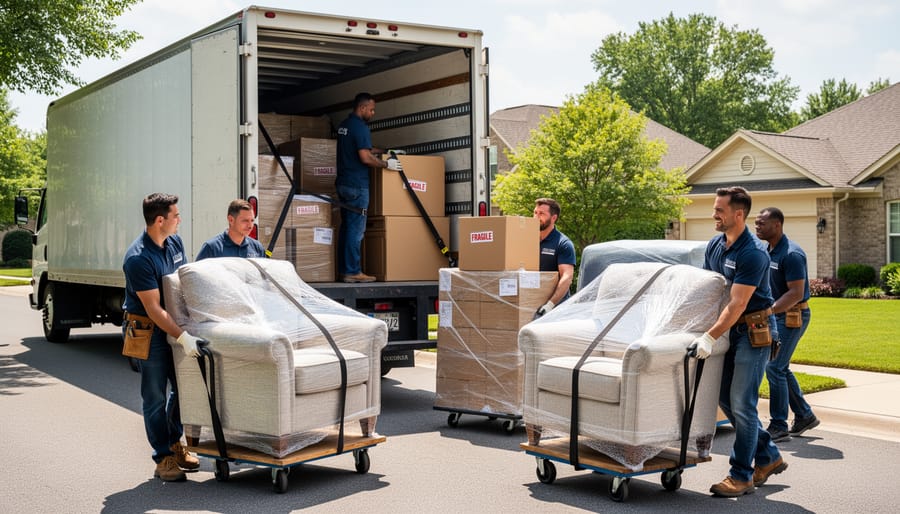
Before you pack a single box, establish a four-category sorting system: keep, donate, sell, and discard. This early step has a direct financial benefit. Long-distance moves beyond 100 kilometres incur mileage charges, so every item you eliminate reduces the weight and volume your mover transports, lowering your final bill. Set aside a weekend to work room by room, making honest decisions about what truly needs to move with you.
For items in good condition you no longer want, consider donating to local Ottawa charities that accept furniture, clothing, and household goods. Many organizations offer free pickup, turning your unwanted belongings into community support while keeping them out of landfills. If you have higher-value items, online marketplaces let you recoup some moving costs through quick sales before departure.
The discard pile deserves attention too. Recycle electronics through municipal programs, dispose of hazardous materials properly, and break down cardboard for curbside pickup. This eco-conscious approach aligns with sustainable moving practices and simplifies the task ahead.
Starting with sorting also helps you choose the right mover later, since accurate quotes depend on knowing exactly what you’re moving. You’ll provide better information and receive more precise estimates when you’ve already edited your belongings down to essentials.
2. Create a Clear Moving Budget and Expense Checklist
Long-distance moves can be costly, but knowing your expenses upfront helps you prepare. Unlike local relocations, moves beyond 100 kilometres or across provinces rarely have flat costs, making detailed financial planning essential. Create a dedicated spreadsheet or notebook where you list every anticipated expense: mileage charges, labour at each location, packing materials, storage fees, travel costs, and accommodation if needed.
Start by researching typical moving cost Canada figures to establish realistic expectations for your relocation. Break down costs into categories: professional services, DIY expenses, temporary needs, and contingency funds. Include often-overlooked items like cleaning supplies, take-out meals during packing days, and thank-you supplies for helpers. Set aside 10-15% of your total budget for unexpected expenses that inevitably arise.
Track spending as you go rather than waiting until after the move. This visibility lets you adjust plans if you’re approaching your limit, perhaps choosing to pack more items yourself or timing the move to avoid peak season surcharges.
3. Obtain Multiple Quotes from Professional Movers
Gathering multiple estimates is one of the smartest moves you can make when planning a long-distance relocation. Request at least three quotes from different moving companies to compare pricing structures, service levels, and overall value. This comparison process protects you from overpaying and helps you identify any unusually low estimates that might signal hidden fees or unreliable service.
When reviewing quotes, pay close attention to what quotes include. A detailed estimate should break down each component: labour costs for loading and unloading, mileage charges for transport beyond 100 kilometres, packing materials, and any special handling fees for fragile or oversized items. Long distance moves are seldom subject to flat costs, so understanding these individual line items prevents surprise expenses later.
Ask each company to clarify what services are covered and what costs extra. Some movers include basic packing supplies, while others charge separately. Written quotes with clear breakdowns let you make confident, informed decisions that prioritize both your budget and your peace of mind.
4. Understand Mileage and Distance-Based Pricing
Long-distance moving companies calculate costs differently than local movers, and understanding this pricing structure prevents budget surprises. When your move extends beyond 100 kilometres or crosses provincial borders, you’ll encounter mileage-based charges on top of standard labour and service fees. This means the physical distance your belongings travel becomes a significant cost factor, not just the time spent loading and unloading.
Most professional movers charge per kilometre once you pass the local moving threshold, typically around 100 kilometres. The rate varies by company but expect charges for both the outbound journey to your new location and the return trip for the moving truck. Some movers include fuel surcharges separately, while others bundle it into their mileage rate, so ask for clarification when reviewing quotes.
Provincial border crossings can trigger additional fees beyond simple distance calculations. Different regulations, licensing requirements, and logistical considerations apply to interprovincial moves, which moving companies factor into their pricing. When budgeting, request a detailed breakdown showing base costs, per-kilometre charges, fuel surcharges, and any border-related fees. This transparency helps you compare quotes accurately and avoid unplanned spending that could strain your moving budget.
5. Plan Your Tipping Strategy Around On-Site Labour
Tipping etiquette for long-distance moves differs from local relocations because your movers perform distinct labour at two separate locations. Rather than calculating a tip based on the total mileage or transport cost, focus on the physical work completed at each end: loading at your current home and unloading at your destination.
A general guideline is $20 to $40 per mover for each location, adjusted for crew size, move complexity, and service quality. If your crew handles particularly heavy furniture, navigates multiple flights of stairs, or works efficiently through your room-by-room packing and loading process, consider the higher end of that range. For exceptionally challenging conditions like tight doorways, adverse weather, or last-minute requests, you might increase the amount further.
Prepare cash in advance so you can tip immediately after each phase of work is complete, recognizing the effort your crew invests at both your departure and arrival points.
6. Use Eco-Friendly Packing Materials
Switching to eco-friendly packing materials saves money while reducing your environmental footprint during a long-distance move. Instead of buying new cardboard boxes, source recycled ones from local stores, community groups, or previous movers. Many retailers gladly give away sturdy shipping boxes at no cost. Biodegradable packing peanuts made from cornstarch dissolve harmlessly and protect fragile items just as effectively as polystyrene versions that linger in landfills for decades.
Reusable plastic bins offer another smart alternative. Though they require a higher upfront investment, you can use them for storage after unpacking, eliminating waste entirely. Wrap dishes and glassware in towels, linens, and clothing you already own rather than purchasing bubble wrap. This dual-purpose approach fills boxes efficiently and cuts packing supply expenses.
Ottawa’s Smart Move prioritizes sustainable practices throughout every relocation, combining environmental responsibility with reliable service. Choosing green packing options demonstrates that you can protect your belongings and the planet simultaneously, all while keeping your moving budget under control.
7. Label and Inventory Everything Systematically

A systematic labeling and inventory approach transforms chaotic unpacking into a controlled process. When your belongings travel hundreds of kilometres, knowing exactly what’s in each box and where it should go eliminates the frantic searching that derails settling-in timelines.
Start with a room-by-room system. Assign each room in your new home a colour or number code, then mark every box with its corresponding identifier. Use permanent markers on multiple sides of each box so labels remain visible when stacked. Your labeling should include:
- Room destination clearly marked (kitchen, main bedroom, basement office)
- Brief content summary (everyday dishes, winter clothing, reference books)
- Fragile indicators for items requiring careful handling
- Priority unpacking markers (unpack first, can wait, long-term storage)
Digital inventory apps provide backup documentation that travels with you rather than in the moving truck. Photograph the contents of each box before sealing it, then log the box number and room assignment in a spreadsheet or moving app on your phone. This photographic record proves invaluable if you need to locate a specific item quickly or file a claim for damaged goods.
Number your boxes sequentially and keep a master list. When box 47 goes missing, you know immediately what’s unaccounted for. This organization reduces stress considerably and prevents the loss of irreplaceable items during long-distance transport.
8. Pack a First-Night Essentials Box
Pack one clearly labeled box with everything you’ll need for the first 24 hours in your new home. This prevents exhausting unpacking sessions after a long day of travel and unloading.
Your essentials box should contain toiletries, prescription medications, a change of clothes, phone chargers, and important documents like leases, identification, and moving contracts. Add basic tools, a screwdriver, scissors, box cutter, and tape, so you can assemble furniture or open other boxes without hunting through dozens of cartons.
Include bedding or sleeping bags, towels, paper plates, disposable cutlery, snacks, and bottled water. If you have children, pack their comfort items, favorite toys, and anything that helps maintain routines during the transition.
Keep this box with you during the move rather than loading it on the truck. Transport it in your personal vehicle so it’s immediately accessible when you arrive. Label all sides clearly with “OPEN FIRST” in large letters and bright-colored tape to distinguish it from other boxes if it does end up on the moving truck.
9. Schedule Utilities and Address Changes in Advance
Failing to arrange utilities and address changes ahead of time can leave you without internet, electricity, or forwarded mail for days or even weeks after arrival. Start this process at least three to four weeks before your move date to give service providers adequate notice and secure your preferred installation dates.
Contact your current utility providers to schedule disconnection for one day after your move-out date, ensuring you have power and water during final cleaning. Simultaneously, arrange connection at your new address for the day before or the morning of your arrival. This includes hydro, natural gas, water, internet, and phone services. Many providers require account setup in advance, and installation appointments can book up quickly, especially during peak moving season in spring and summer.
Submit a mail forwarding request with Canada Post at least two weeks before you move. The service redirects mail to your new address for up to 12 months, preventing missed bills or important documents. Update your address with banks, insurance providers, government agencies, employers, and subscription services to ensure uninterrupted service and accurate records.
Create a checklist of every service requiring notification or transfer, and confirm each one as you complete it. This systematic approach prevents oversights and ensures you arrive at a fully functional home.
10. Protect Valuable and Fragile Items Properly
Fragile and valuable belongings need specialized packing methods to survive long-distance transport. Wrap artwork in acid-free paper, place it between rigid cardboard sheets, and pack vertically in boxes marked “This Side Up.” Electronics should go in their original packaging when possible; otherwise, wrap them in anti-static bubble wrap and fill empty spaces with packing paper to prevent shifting during transit.
For glassware and dishes, wrap each piece individually with plain newsprint or bubble wrap, then nest them in divided boxes with cushioning on all sides. Never pack heavy items in the same box as fragile ones. Sentimental items like photo albums, heirlooms, or irreplaceable documents deserve extra care, consider transporting these personally rather than loading them on the truck.
Professional movers offer different levels of protection coverage, so ask about your options when obtaining multiple quotes. Understand what’s included in the basic service and what additional protection costs. Some items may need special handling or crating, which affects your budget. Document the condition of valuables with photos before packing, and maintain a detailed inventory. This preparation protects both your belongings and your peace of mind during the move.
11. Communicate Clearly with Your Moving Team
Open communication with your moving team prevents misunderstandings and keeps your relocation on track. Before moving day, discuss any special requirements your belongings might have, fragile antiques, temperature-sensitive items, or oversized furniture that needs disassembly. Share details about access limitations at both locations: narrow staircases, elevator dimensions, long carries from parking areas, or flights of stairs without lift access.
Address parking restrictions early. Many Ottawa buildings require advance permits for moving trucks, and downtown or condo locations often have specific loading dock times or street parking regulations. Confirm these details with your building management and communicate them to your movers so they can plan accordingly.
Set clear timeline expectations. If you need the truck to arrive within a specific window or must vacate by a certain hour, make this known when booking. Discuss any scheduling constraints at your destination as well.
Ask questions about what happens if weather or road conditions cause delays on long-distance routes. Professional movers appreciate clients who communicate proactively rather than assuming details. This transparency builds trust and directly contributes to customer satisfaction, ensuring everyone works toward the same goal: a smooth, stress-free relocation.
12. Plan for Day-of Logistics and Accessibility
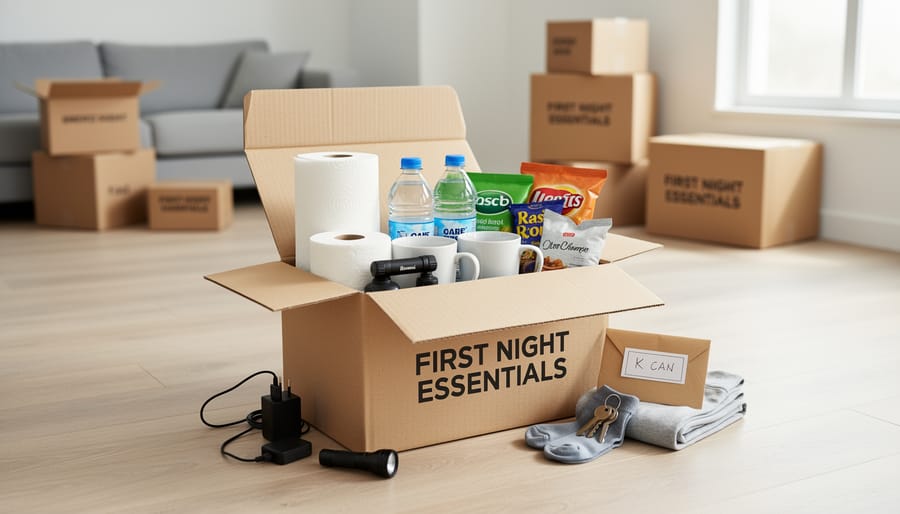
Moving day runs smoothly when you handle logistics well before the truck arrives. Start by securing elevator reservations at both your current and destination buildings at least two weeks ahead, many condominiums and apartment complexes require advance booking and limit moving hours to specific time windows. Confirm these reservations 48 hours before your move.
Arrange parking permits for the moving truck at both locations. Contact your municipality or building management to obtain necessary permits, as street parking restrictions can delay loading and unloading significantly. In urban areas, reserve the closest legal parking spots to minimize carrying distance.
Gather and share all essential access information with your moving team: building entry codes, security contact numbers, gate remotes, and any special access instructions. Keep superintendent or property manager phone numbers readily available in case unexpected issues arise.
Check the weather forecast three days before your move and discuss contingency plans with your movers. Prepare protective coverings for rainy conditions and have a backup plan for severe weather that might affect road conditions on long-distance routes.
Create a moving day contact sheet with numbers for your moving company, building managers at both ends, utility providers, and your moving coordinator. Store this digitally and keep a printed copy accessible throughout the day for quick reference when coordination questions arise.
Common Questions About Long Distance Moving
Moving to a new city or province brings up many practical questions. Here are answers to help you plan with confidence.
How much should I budget for a long-distance move?
Long-distance moves are seldom subject to flat costs, and moving beyond 100 kilometres or across provinces will cost extra since you’ll be charged for mileage. Having a clear moving checklist of expenses is very important to avoid any unplanned spending, so obtain multiple quotes from professional movers to compare pricing structures and services included.
What’s typically included in a moving quote?
Professional moving quotes should provide a breakdown of labour costs for loading and unloading at each location, mileage charges based on distance, and the specific services provided such as packing materials or furniture disassembly. Always ask for detailed line items rather than a single lump sum to understand exactly what you’re paying for.
How far in advance should I book my long-distance move?
Professional movers recommend booking at least six to eight weeks before your moving date, especially during peak season from May through September. Early booking gives you better availability, more competitive pricing, and enough time to sort your belongings properly before packing begins.
When should I start packing for a long-distance move?
Start by sorting your items into categories, keep, donate, sell, and discard, at least four weeks before moving day. This gives you time to reduce volume, which lowers your mileage-based costs, and allows for systematic packing without last-minute stress.
Should I hire professionals or do it myself?
Professional movers handle the heavy lifting, provide proper packing materials, and carry liability coverage for your belongings during transport. A DIY move may seem cheaper initially, but when you factor in truck rental, fuel for long distances, lodging, potential damage, and physical strain, hiring experienced movers often proves more cost-effective and significantly less stressful for relocations over 100 kilometres.
Understanding these common concerns helps you approach your long-distance move with realistic expectations. Proper budgeting and professional guidance make the difference between a chaotic relocation and a smooth transition. Remember that tip based on on-site labour at each end, not the total transport cost, when showing appreciation for your moving team’s work loading and unloading your belongings.
Long-distance moving demands careful planning, but the effort pays off in reduced stress, lower costs, and peace of mind. By sorting your belongings early, creating a detailed budget, obtaining multiple quotes, and understanding how mileage charges work, you take control of expenses that can otherwise spiral. Systematic labeling, proper packing, and clear communication with your moving team ensure your possessions arrive safely at your new home.
These 12 tips work together to transform a potentially overwhelming experience into a manageable, even positive transition. Whether you’re relocating across provincial borders or simply beyond 100 kilometres, preparation makes all the difference. Ottawa’s Smart Move combines professional expertise with eco-friendly practices and a commitment to customer satisfaction, ensuring your long-distance move is handled with the attention and care it deserves. The right preparation and support turn moving day from a source of anxiety into the start of your next chapter.