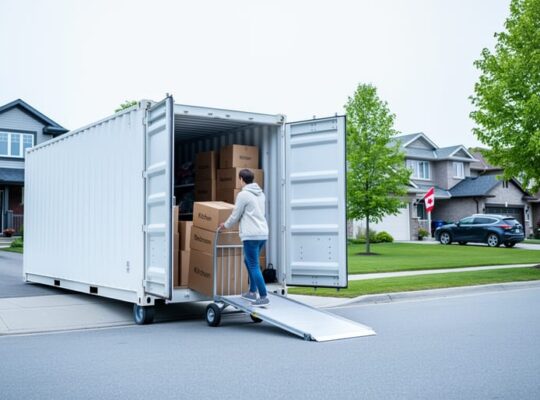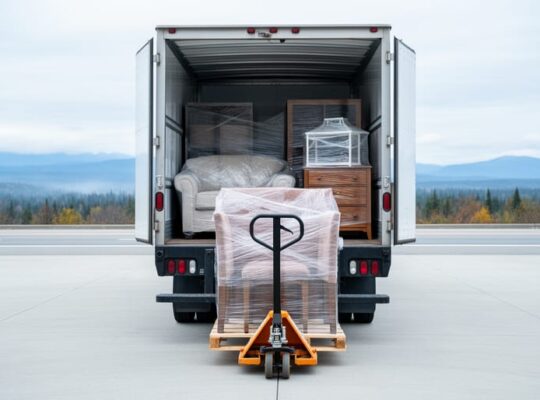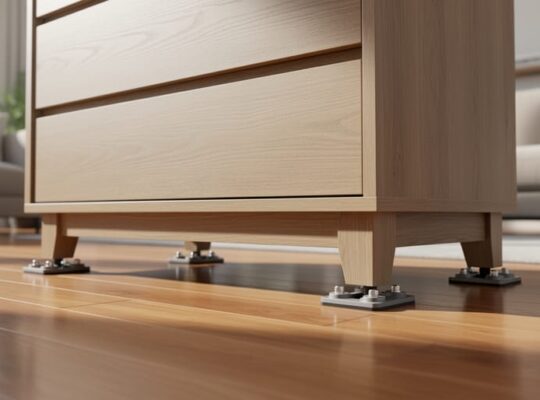

Apps for moving furniture fall into three camps: on-demand delivery apps that send a driver with a truck, peer-to-peer apps that connect you with local helpers, and planning apps that help you measure rooms and map out the move yourself. The right pick depends on what you’re moving, how far it’s going, and how much of the lifting you want to handle. A single bookshelf across town? An app can have you sorted in an afternoon. A full sofa, dresser, and dining set down two flights of stairs? That’s where things get complicated fast.
Most apps do one job well, whether that’s booking a pickup, finding extra hands, or sketching a floor plan. None of them can promise careful handling, protective wrapping, or crews who know how to get a sectional around a tight Ottawa stairwell. This guide compares each app type, shows which scenario suits which tool, and points out the mistakes that lead to scratched floors and stressful moving days. You’ll also see where professional movers become the more reassuring, and often more eco-friendly, choice, with reusable blankets and fewer trips on the road.
What to Look for Before You Download: Key Buying Factors
Pricing, Fees, and Surprise Charges
Most moving apps price a job one of three ways: by the hour, at a flat rate, or per item. Hourly pricing suits quick jobs but can climb fast if stairs or long carries slow things down. Flat rates feel simpler, though they only hold if the details you entered are accurate. Per-item pricing works for a single dresser or sofa, but several pieces can add up quickly.
Beyond the base price, look for service fees, fuel or distance surcharges, stair or long-carry charges, and minimum booking times. These are the usual sources of surprise on a final bill. A clear upfront quote that spells out what’s included helps you compare options fairly. For a realistic sense of what a typical moving furniture cost looks like, it helps to review a full price breakdown first.
Helper Vetting, Insurance, and Reviews
When you hand your sofa or dresser to a stranger, trust matters as much as price. Start by checking whether an app screens its helpers. Ask if background checks are part of onboarding, and whether drivers and movers are rated after each job.
Next, look at protection. If a corner chips or a table leg snaps, what happens? Some apps include limited coverage for damaged items, while others leave you to sort it out directly with the helper. Coverage varies a lot, so confirm the details in writing before you book, including any caps on claim amounts and what’s excluded.
Finally, read recent reviews, not just the overall star rating. Look for comments about punctuality, careful handling of bulky pieces, and how problems were resolved. A few thoughtful, recent reviews tell you far more than a high score built years ago.
Availability and Fit for Your Move
Before you commit to an app, check that it actually covers your part of Ottawa. Coverage can thin out in suburban and rural pockets, and availability may shift by day and time, so confirm that someone can show up when you need them.
Scheduling flexibility matters too. If your condo requires a booked elevator window, or your lease ends on a fixed date, an app that only offers “as soon as possible” matching may not fit.
Look closely at how the app handles access. Can you note stairs, tight hallways, or a loading dock before booking? Finally, check whether it supports your type of move. Many apps suit a single sofa for a household, while office desks and filing cabinets often need more planning.
Types of Moving Apps Compared: Which Approach Fits Your Furniture?

On-Demand Helper and Delivery Apps
On-demand helper and delivery apps work much like ride-hailing for your stuff. You enter the item, the pickup and drop-off addresses, and the app matches you with a nearby driver or helper, often with a pickup truck or cargo van. For a single sofa, a dresser, or a desk bought secondhand, this can be quick and affordable.
These apps shine when the job is small: light to medium pieces, easy access, and flexible timing. They get tricky once the list grows. Several large items, stairs, or a condo with booking rules need real planning, and a gig-style driver may not have the crew size or equipment to handle it. If your move is trending toward a full load, it’s worth comparing options like moving containers or a professional crew before you book.
Moving Planning and Inventory Apps
Moving planning and inventory apps don’t move anything themselves, but they make every other step easier. Think of them as your organized command center. Most let you list each piece of furniture, snap a photo, record dimensions, and note its condition before the move begins.
The measuring part is especially handy. Jotting down the width of a sofa or the depth of a dresser helps you confirm it will fit through doorways, hallways, and elevators at both ends. You can also build checklists, label boxes by room, and track what’s packed, loaded, and delivered.
Where these apps really shine is communication. Sharing your inventory with a moving team means everyone knows exactly what’s coming, which supports a more accurate quote and a smoother moving day. If a piece is ever damaged, your photos and notes also give you a helpful record to refer back to.
Recommendations: Matching an App to Your Situation
When an App Is Enough
An app can be all you need when the move is small and forgiving. Think of a studio or one-bedroom apartment, a few light pieces like a bookshelf, side table, or desk chair, and a ground-floor entrance or a working elevator with no booking rules. Flexible timing helps too, since you can wait for an open slot and avoid paying extra for rush service.
Before you book, measure each piece and your doorways, then confirm the helper can handle the size. If you’re thinking about whether to downsize before moving doing it first can shrink your load enough to make an app-based helper the simpler, more affordable choice. Fewer items also mean less to worry about on the day.
When a Professional Moving Team Is the Smarter Choice
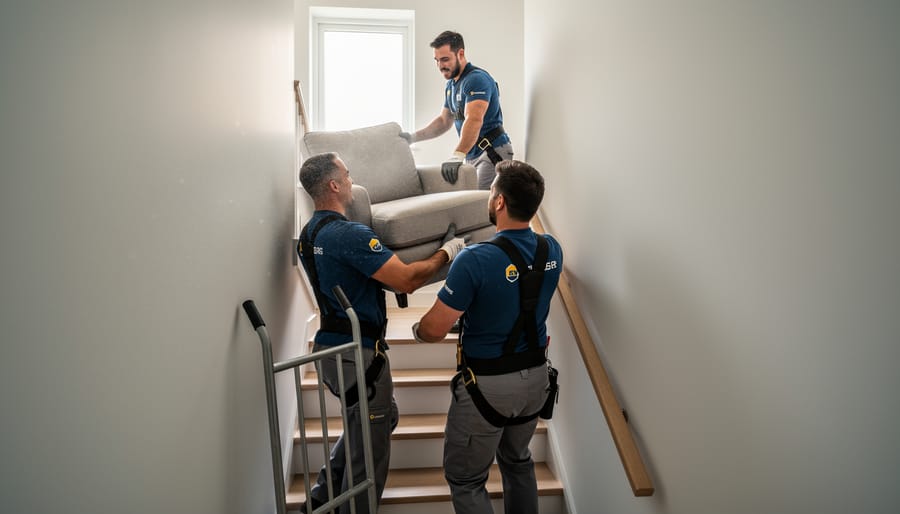
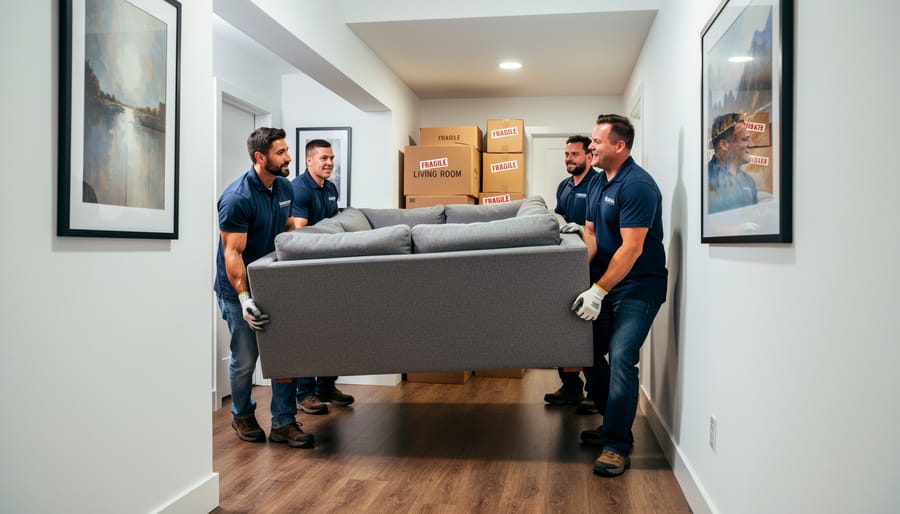
Some moves are simply bigger than an app was built to handle. If you’re relocating a full home or an office, navigating narrow stairwells, or carrying a vintage dresser, a piano, or glass-topped tables, a trained crew takes the pressure off. Gig-style helpers vary from booking to booking, but a professional team arrives with practiced lifting techniques, proper equipment, and a plan for tight corners and condo elevators.
Careful packing matters just as much. Experienced movers wrap and secure furniture so it travels safely, and many Ottawa companies, including us, use reusable and recycled packing materials to keep waste out of the landfill without compromising protection.
Deadlines are another reason to call in the pros. When you have a lease ending or a business that needs to reopen on Monday, a coordinated crew keeps everything on schedule. And if your move stretches beyond the city, it helps to know how to choose a long-distance mover you can trust.
Above all, you get customer-focused service from start to finish.
Common Mistakes to Avoid When Booking Furniture Moving Help
Even a well-chosen app can disappoint if a few small details slip through. The good news is that each of these mistakes has a simple fix.
Skipping measurements. A sofa that fits the truck but not the stairwell turns moving day stressful fast. Measure your largest pieces and every doorway, hallway, and turn along the route before you book.
Underestimating weight and access. Solid wood dressers, sleeper sofas, and fourth-floor walk-ups need more hands and more time than they appear to. Describe stairs, elevators, and tight corners honestly when you book, so the right number of people shows up.
Ignoring coverage details. Protection for damaged items differs from one service to the next. Ask what is covered and get the answer in writing, especially for valuable or fragile furniture.
Booking last minute. Month-end and summer weekends fill up quickly. Reserving a few weeks ahead gives you more choice and a calmer schedule.
Choosing on price alone. The lowest quote can hide extra fees or leave out services you need. Compare what is included, read recent reviews, and weigh reliability alongside cost. A little preparation now keeps your furniture, and your plans, on track.
Frequently Asked Questions About Moving Furniture Apps
Are moving apps safe to use?
Many are, especially those that show helper reviews and vetting details. Read recent feedback and confirm what checks the app performs before you book.
Do they provide insurance?
Coverage varies widely from app to app. Ask for the protection details in writing so you know what happens if a piece gets damaged.
Can apps move large furniture sets?
Some can handle a sofa or dresser, but full bedroom or dining sets often call for a trained crew and a bigger truck.
How far in advance should I book?
Book as early as you can, particularly at month-end and in summer, when demand in Ottawa runs high.
If your list keeps growing, that is usually the sign to ask a local moving company for a quote.
Conclusion
The right app for moving furniture comes down to three things: what you’re moving, how much time you have, and how comfortable you feel handing over your belongings. A single armchair on a flexible schedule is a very different job from a full household with tight stairs and a firm closing date. Matching the help to the job is what keeps a move calm instead of chaotic.
Take a little time to measure your pieces, read the fine print on fees and coverage, and be honest about how much heavy lifting you want to tackle yourself. That kind of thoughtful planning is the heart of choosing moving solutions that fit your life.
When your move calls for trained hands, careful handling, and reusable packing materials that cut down on waste, Ottawa’s Smart Move is here to help. Our team puts customer satisfaction first and treats your furniture like our own. Reach out today for a stress-free quote, and let’s get you settled into your next space with confidence.